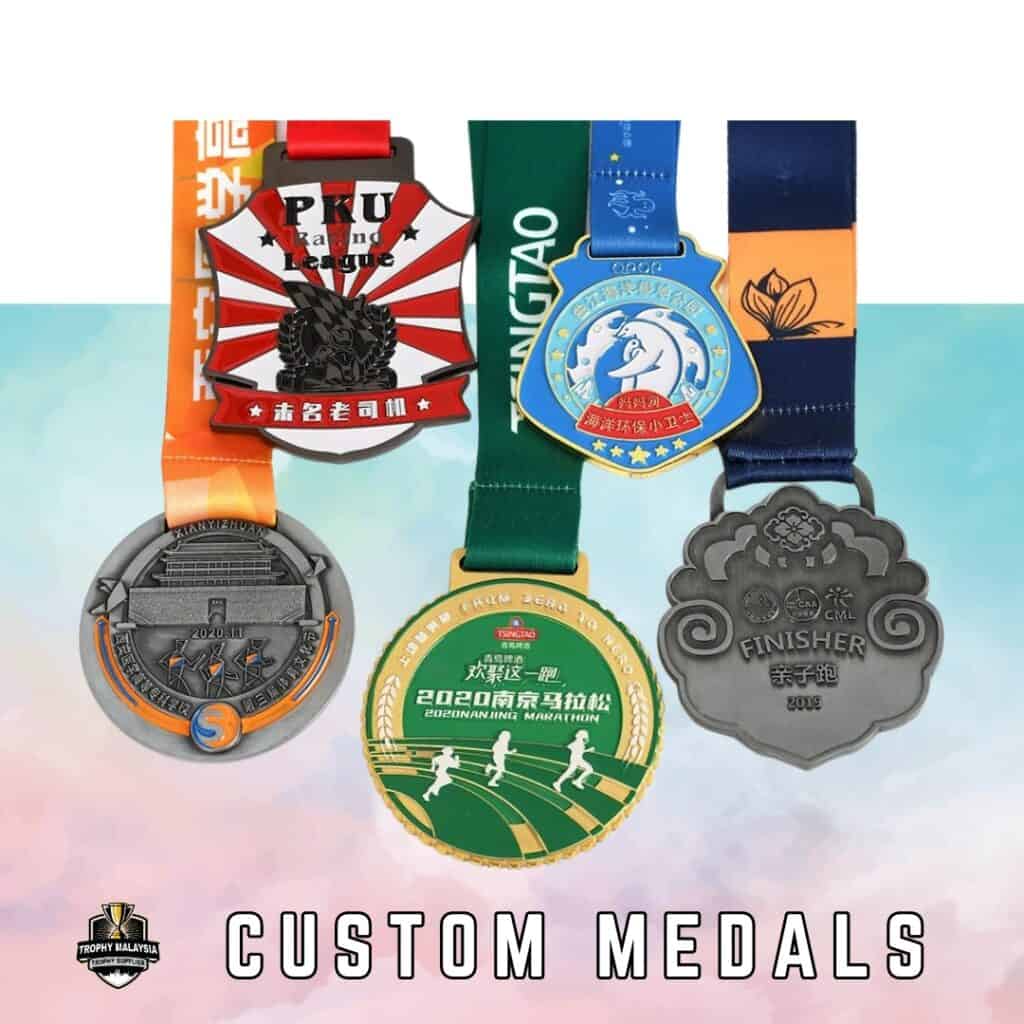

TROPHY MALAYSIA | TROPHY SUPPLIER is the largest Medal Supplier in Malaysia.
Check out the different types of medals that we can supply.
You can custom to any size, color, finishing, shape, thickness to suit your event.
Looking for a medal supplier shop near you or me?
TROPHY MALAYSIA | TROPHY SUPPLIER is the brand to go to when customizing medals.
Come check out our Medal designs and you will know you are at the right Medal Shop.
What kind of Materials are Medals made from?
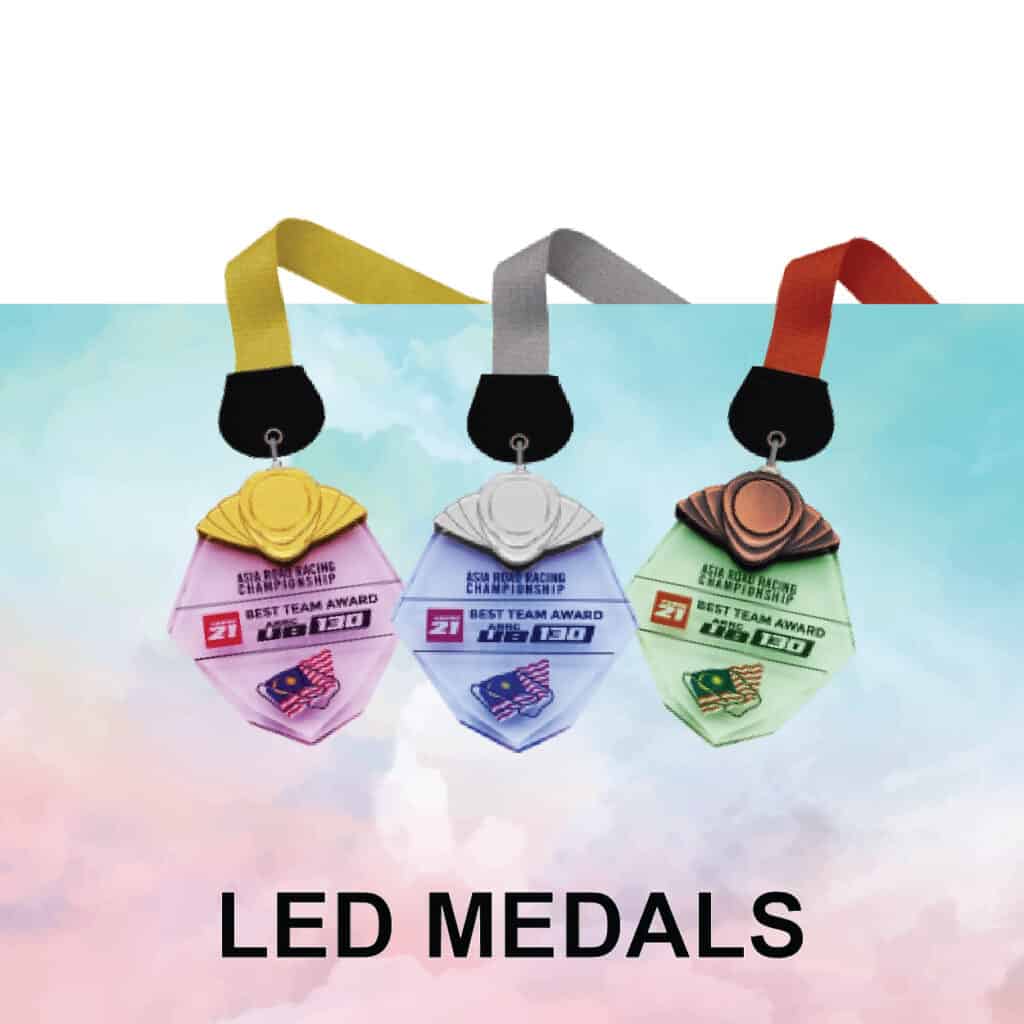
1) LED
Medals can also be equipped with LED light but will definitely need batteries to run.
The effect is a stunning glowing light with patterns that shines brightly during your annual dinner night.
Your LED medal will definitely be the center of attraction.
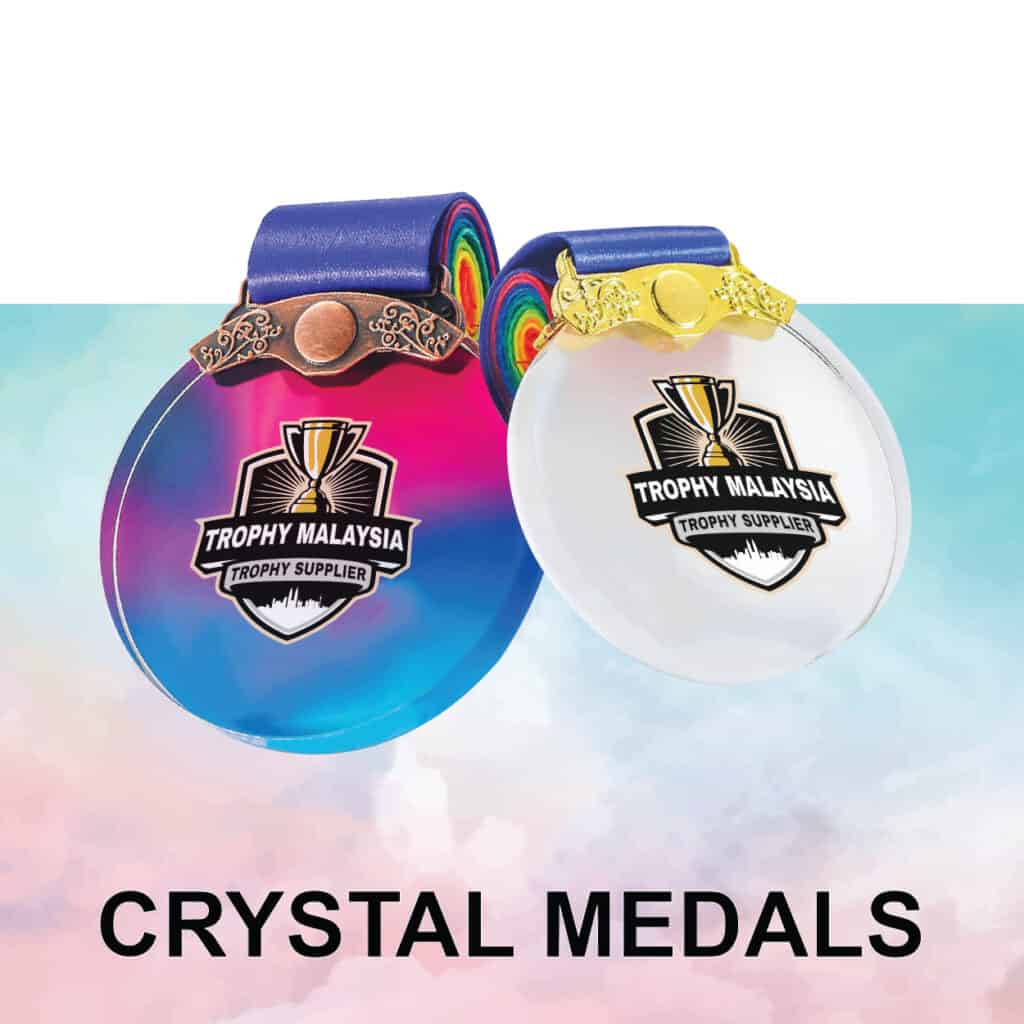
2) Crystal Medals
Medals can be made from Crystal. This will give it weight and shinning.
The finishing can compliment the beauty of the crystal medal.
For example, you can do an inner laser and a surface UV print which is very difficult.
However, the Medal will look like nothing anyone has seen before, stunning.
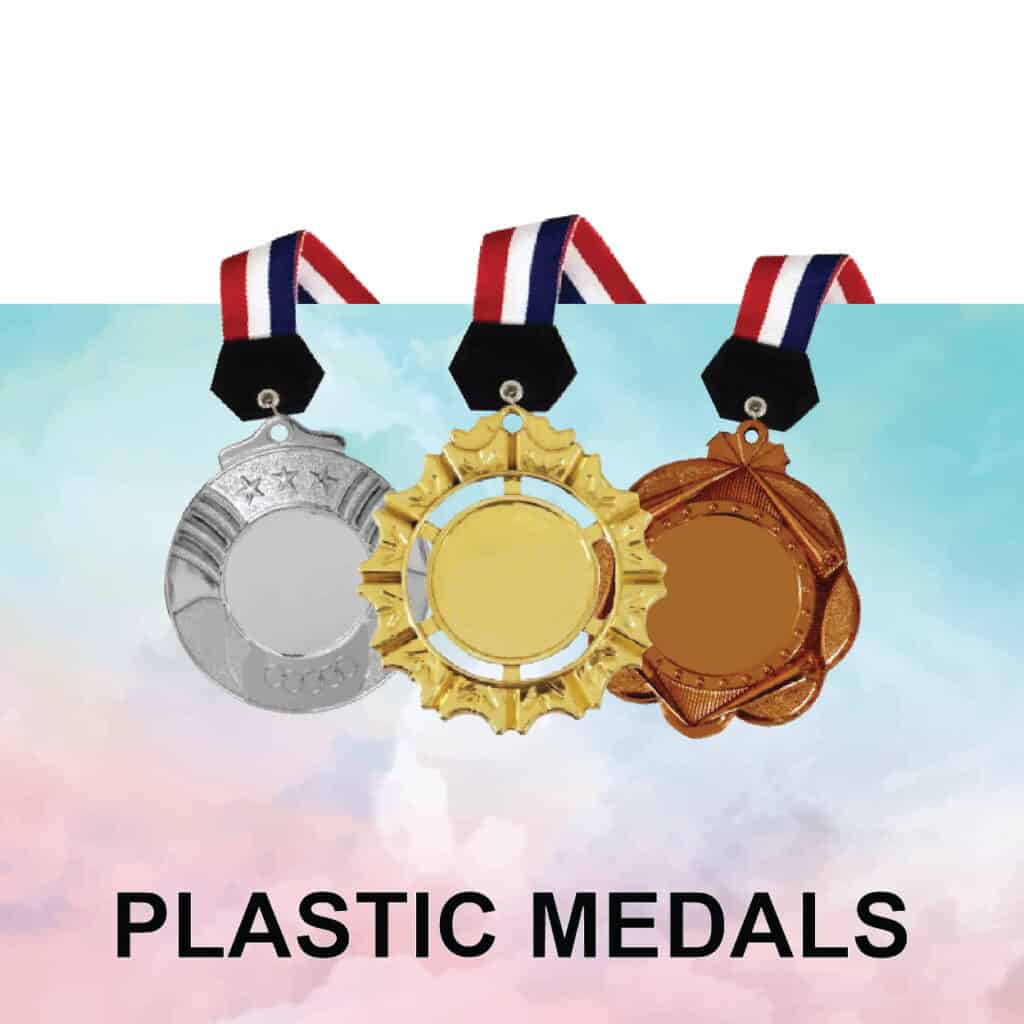
3) Plastic Medals
Plastic medals on the other hand are lightweight and mostly used when bulk is needed for a large crowd or for budget events.
This is a great way to keep cost low while being able to place a representative logo on the medal.
What kind of events normally use Medals?
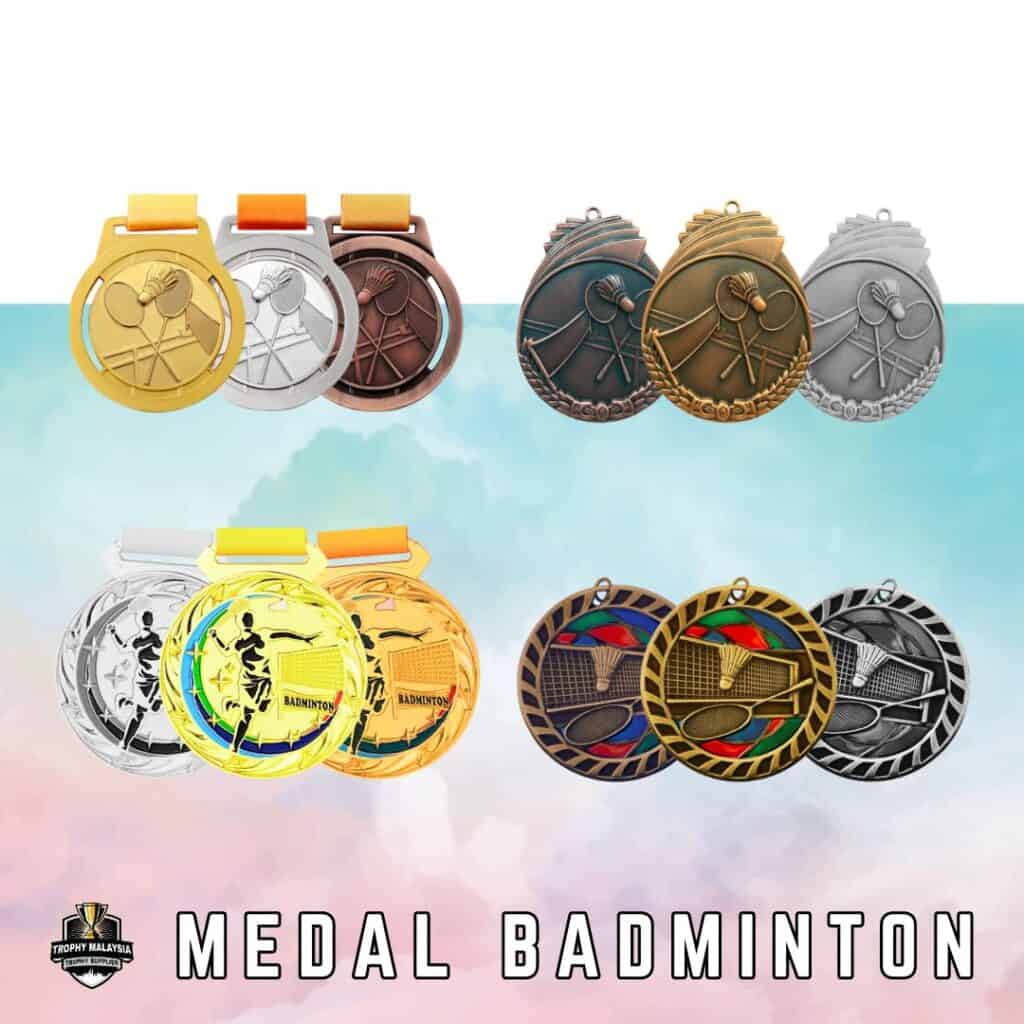
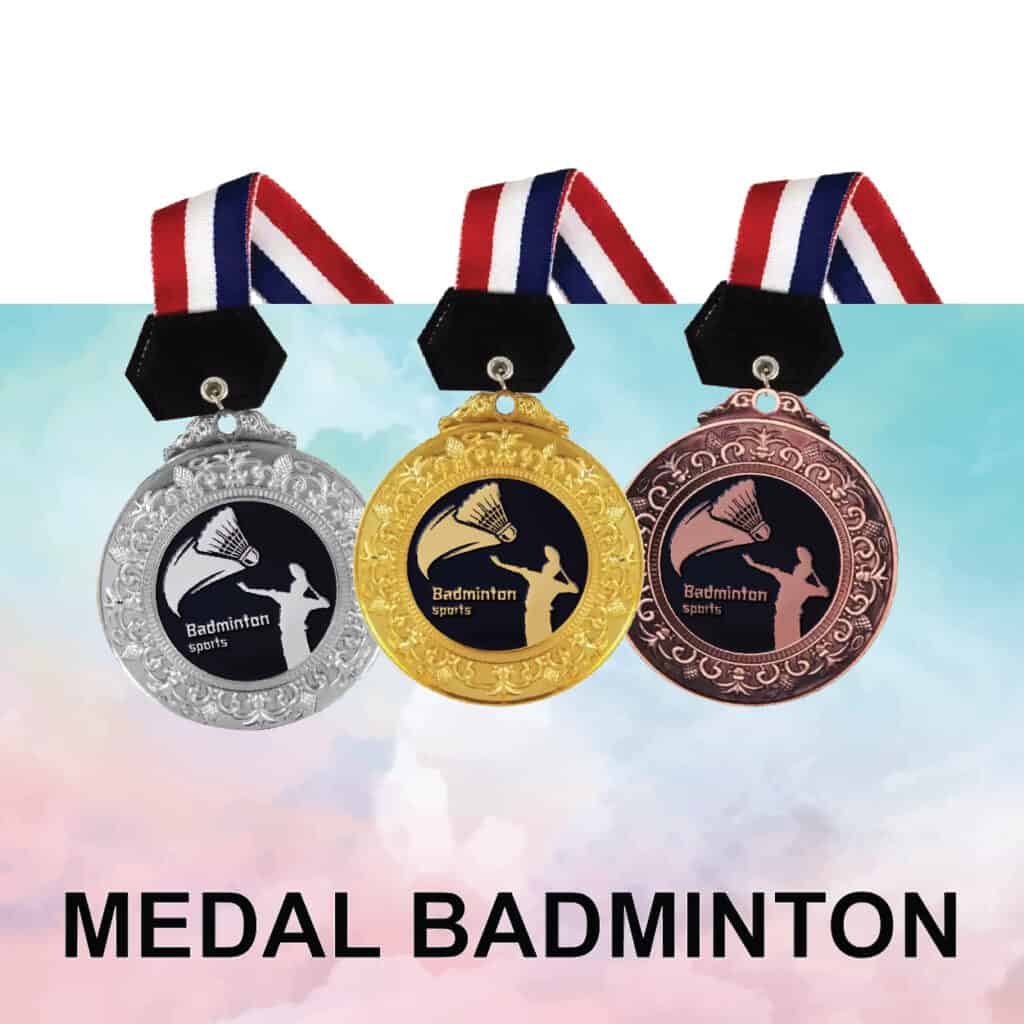
1) Medal Badminton
Badminton tournaments and events can often present Medal Badminton or Medals with Golden, Silver, and Bronze colors to distinguish winners.
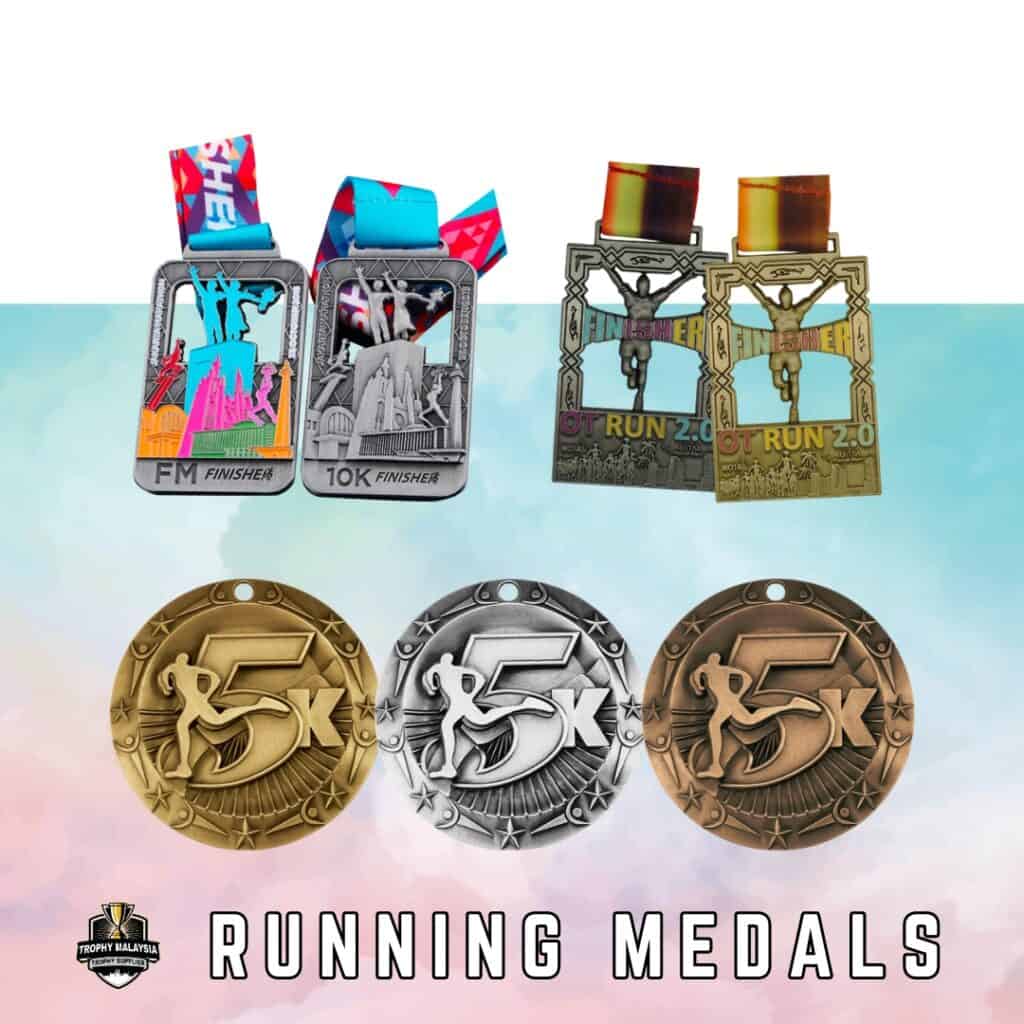
2) Running Medals
Running or Marathon events are most likely to give out Medals.
Finishing of such events, can be in UV printing with black background which can be very astonishing.
The design is left unprinted to unveil the background which will be the same color as the medal.
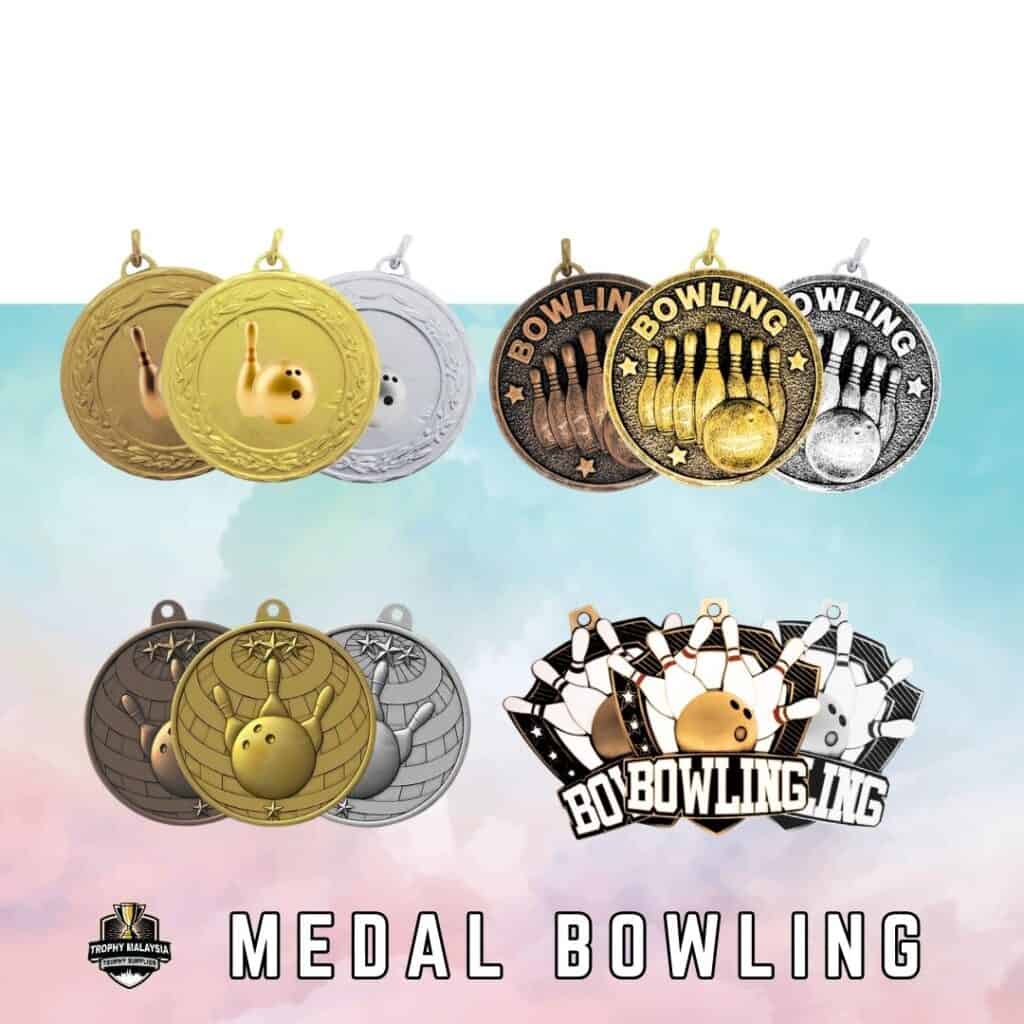
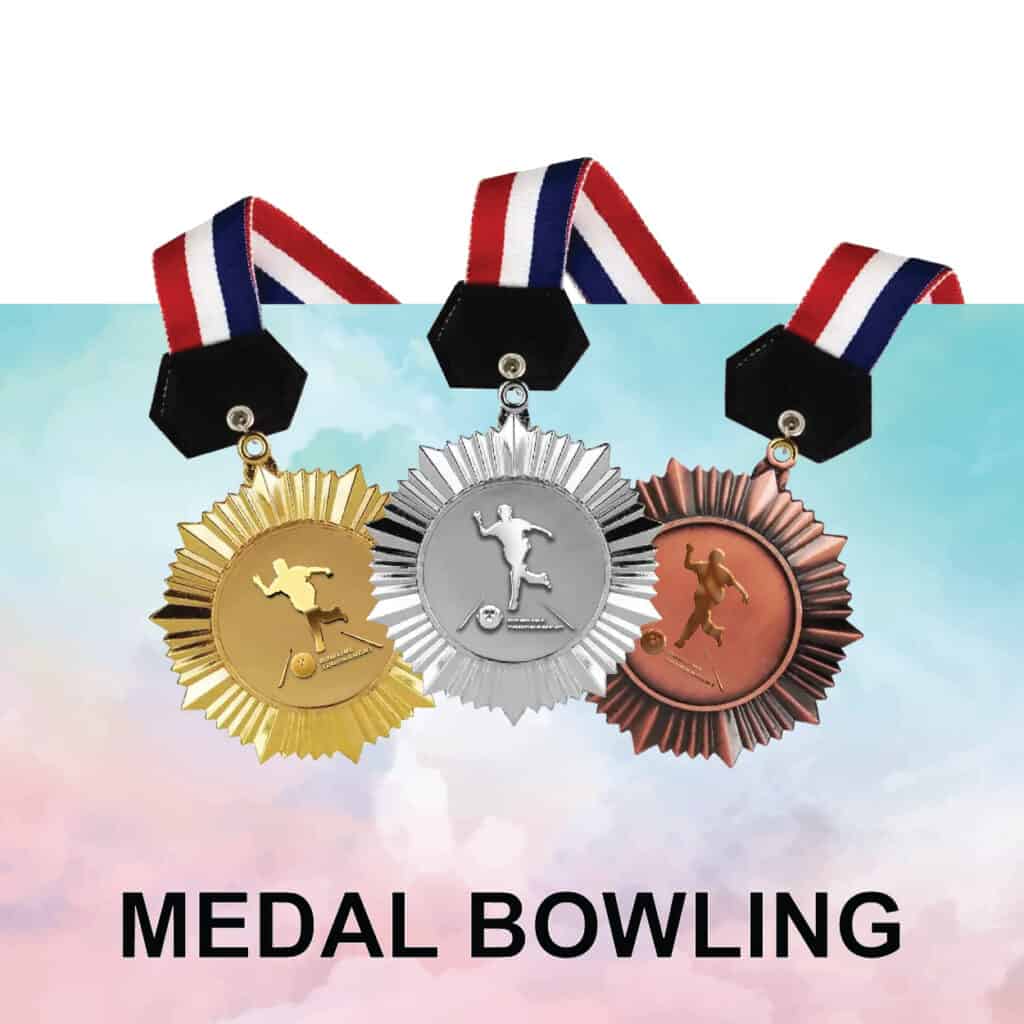
3) Medal Bowling
In some Bowling Tournaments, Trophies and Medals are seen to be given out together as a double symbol of winning.
Medal Bowling can be etching to achieve a magnificent three dimensional effect.

How to make a Medal?
There are many ways to make a Medal. Here are some with comparison:
Mold
There are two main methods for making medals using molds: metal casting and resin casting.
Both involve creating a mold of your medal design and then using that mold to create replicas. Here’s a breakdown of each method:
Metal Casting:
This is the traditional method used for professional medals and requires specialized equipment and safety precautions.
It’s generally not recommended for home use due to the high temperatures involved and potential health risks.
Here’s a simplified overview of the process:
Mold Making: This can involve creating a two-part mold using materials like vulcanized rubber or investment casting plaster.
A master model of your medal design is needed to create the mold cavity.
Metal Selection: Medals are typically cast in metals like bronze, pewter, or silver.
Choosing the right metal depends on factors like cost, desired finish, and melting point.
Melting and Pouring: The chosen metal is melted in a furnace at extremely high temperatures.
Once molten, the metal is carefully poured into the mold cavity.
Cooling and Finishing: The metal is allowed to cool and solidify within the mold.
Once cooled, the medal is removed from the mold and undergoes finishing processes like polishing and buffing.
Resin Casting:
This is a safer and more accessible option for home crafters.
Resin casting allows you to create custom medals using readily available materials.
Here’s a basic outline of the resin casting process:
Mold Making: Similar to metal casting, you’ll need to create a mold of your medal design.
Silicone mold making kits are available at craft stores and provide a user-friendly option.
Resin Selection: Choose a resin suitable for casting, considering factors like curing time, hardness, and clarity.
Mixing and Pouring: Resin typically comes in two parts (resin and hardener) that need to be mixed according to the manufacturer’s instructions.
The mixed resin is then carefully poured into the mold cavity.
Demolding and Finishing: Allow the resin to cure completely according to the recommended curing time.
Once cured, the medal can be removed from the mold and any imperfections can be sanded or smoothed out.
You can also add details like paint or ribbons for a more polished look.
When working with resin, it’s crucial to follow safety precautions.
Wear gloves and eye protection to avoid skin and eye contact with the resin.
Ensure proper ventilation in your workspace.
Die-Cut
Plating
Anodize
Etching
Epoxy
What kind of finishing for Medal?
Direct Printing
Metal Plate
Foil Sticker
What other accessories used for Medal?
Lanyard hook
Lanyard stitching
Lanyard with Color
Lanyard with Malaysia Colors